
Investigators and roles
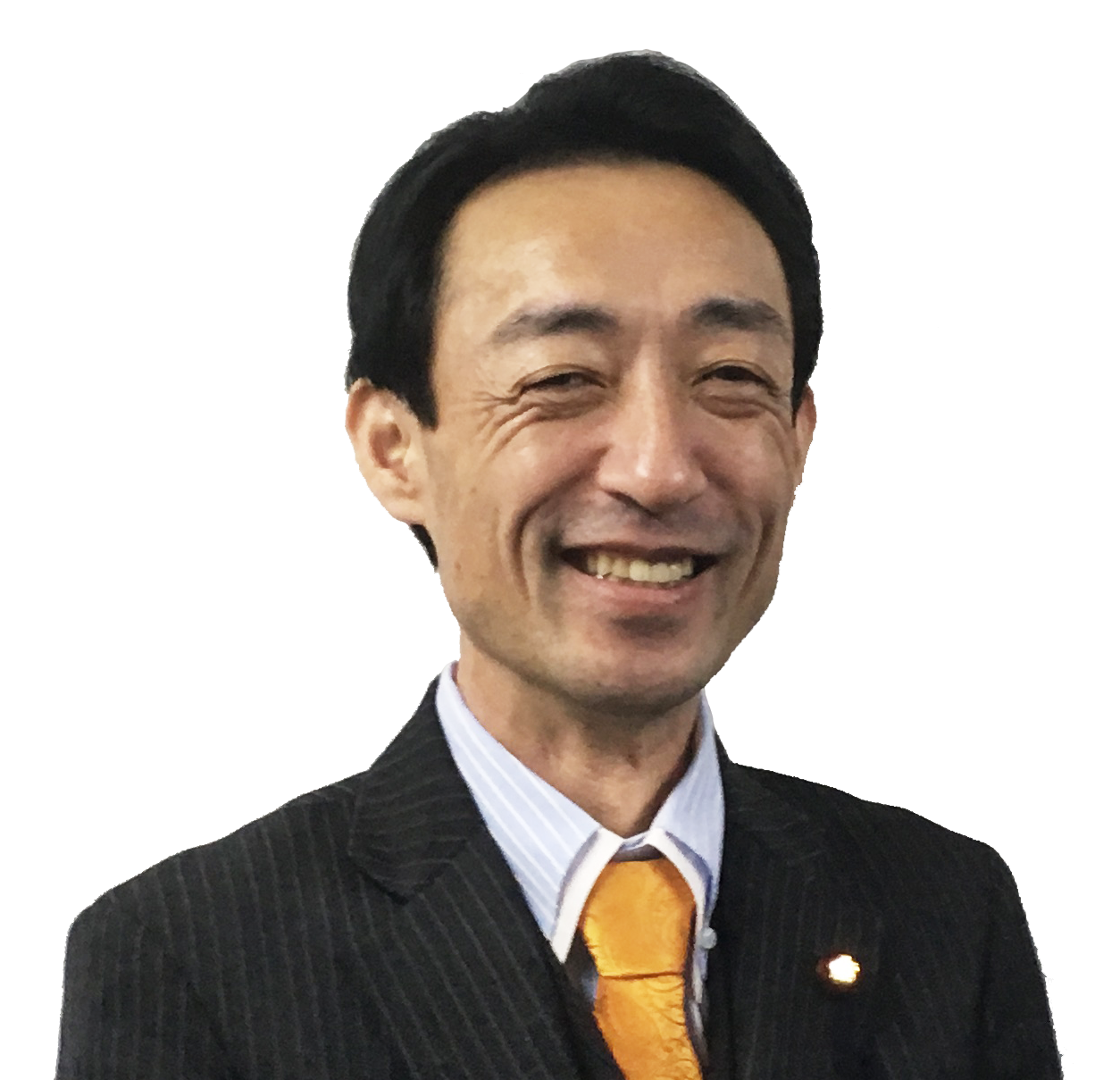
Takashi Sakato
Developer of Kanshoho (2007). In the research he describes the technique, helps design the methods and delivers the intervention.
The roles of co-investigators, the organisation of each study, funding and competing interests are set out below and in each source.
Photo: Japan Health OrganizationRoles and affiliations at the time of each study. For the abdominal-wall study (submitted manuscript), the detailed division of roles will be added when the paper is published.
| Name | Role in the research | Affiliation at the time |
|---|---|---|
| Takashi Sakato | Developed Kanshoho. Describes the technique, contributes to methods and delivers the intervention. | Japan Health Organization |
| Other co-authors and contributors | Laboratory measurements, blood sampling, participant assessment, statistical analysis. | See the author list of each source |
Ethics review and registration
| Study | Ethics review and registration |
|---|---|
| Layer-specific SWE | Ethics review by Kagoshima University Hospital (approved 17 September 2024). UMIN000056162, registered 15 November 2024 — retrospectively, 9 days after enrolment began on 6 November 2024. |
| Chronic whiplash-associated disorder | Kagoshima University Sakuragaoka Campus Clinical Research Ethics Committee, No. 240317, approved 18 April 2025. Written consent. jRCT1070250094. |
| Blood metabolome | Ethics review board of Ueno Asagao Clinic. Written consent. UMIN000049180. |
Registration and ethics information is given so that study plans and the protection of participants can be checked. The effect of the intervention is judged from the methods, results and comparative analyses of each study.
Funding and competing interests
Takashi Sakato is the representative director of the Japan Health Organization, a general incorporated association, and the inventor named on U.S. patent US 11,207,238 B2. He receives income from Kanshoho training courses and lectures. The 2025 Cureus review identifies him as representative director of P-care, Inc. (PACURE, INC. on the U.S. patent document), the company associated with this patent. The same review also discloses the registered Japanese trademark for Kanshoho (Registration No. 5982592). The company name is reproduced in the form used by each source. Review disclosure statement, page 10 (PDF) · Granted patent (PDF)
The abdominal-wall study (UMIN000056162; manuscript submitted) is led by the Department of Psychosomatic Internal Medicine, Kagoshima University Graduate School of Medical and Dental Sciences. The public registry names the Japan Health Organization as funder/co-sponsor and lists an ultrasound-system loan from FUJIFILM Healthcare Corporation. The paper will provide the full author contributions and disclosures.
The whiplash study was supported by the Japan Health Organization and the participating clinic. The metabolome study was funded by the Japan Health Organization. The 2024 fibromyalgia case report declared no funding and no competing interests. Disclosures differ between studies; the statement in each source takes precedence.
For new collaborations, we propose that the partner institution lead outcome assessment, data management and statistical analysis, with practitioner and assessor roles defined in advance. Discuss the study arrangements →
Intellectual property
U.S. patent US 11,207,238 B2 was granted on 28 December 2021. The inventor is Takashi Sakato, and PACURE, INC. is listed as applicant and assignee on the granted document.
The patent concerns a method for muscle relaxation and a system that assists its execution. We disclose this intellectual property alongside the developer’s organisational and financial interests. Our proposed collaboration principles address independent analysis and publication alongside material-use arrangements. Research independence and publication →
Public patent record · Granted U.S. patent (PDF) · Development milestone →
Access to materials and data
Published papers and presentation slides are linked from Publications →. For a feasibility discussion, please tell us which manuscript, protocol or analysis you wish to review. We will confirm which materials are available and agree any confidentiality arrangements appropriate to the project, in line with author approvals, participant consent, ethics approval and publication plans.
Sources
- Study A (submitted manuscript): shear wave elastography of the lateral abdominal wall in 20 healthy men, randomised crossover pilot study. Trial registration UMIN000056162. This site reports only what is public in the registry and in our symposium abstract for the 28th World Congress of the International College of Psychosomatic Medicine (ICPM 2026, Fukuoka). Full details will be added when the paper is published.
- Manuscript B (presented at conferences; unpublished manuscript): Sakato T, Shin Y, Itai Y, Amitani H. Immediate and mid-term effects of Kanshoho in patients with chronic whiplash-associated disorders: a prospective single-arm pilot study. Presented at the 55th Annual Meeting of the Japanese Society for the Study of Chronic Pain and the 35th Annual Meeting of the Japanese Society of Pathophysiology (both 2026).
- Sakato T, Nakajima A. Rapid changes in blood metabolome induced by the low-pressure muscle relaxation technique “Kanshoho”: a randomized single-blind crossover trial. 34th Annual Meeting of the Japanese Society of Pathophysiology, 2025 (presentation slides, PDF, in Japanese)
- Amitani H, Nishi R, Fukumoto T, et al. Severe fibromyalgia alleviated by the unique muscle relaxation method of applying low force: a case report. Medicine. 2024;103(16):e37929. doi:10.1097/MD.0000000000037929
- Amitani H, Sakato T, Asakawa A. Resolution of Long COVID and myalgic encephalomyelitis/chronic fatigue syndrome symptoms following kanshoho, a low-pressure muscle relaxation technique: a case report. Explore (NY). 2026;22(3):103374. doi:10.1016/j.explore.2026.103374
- Sakato T, Amitani H. The muscle relaxation effects of gentle, focal load (4.9–7.4 N) with a narrow contact area: a narrative review of Kanshoho and conventional manual therapies. Cureus. 2025;17(8):e89646. doi:10.7759/cureus.89646
- U.S. patent US 11,207,238 B2, granted 28 December 2021. Granted patent document (PDF)
Last updated: 21 September 2026